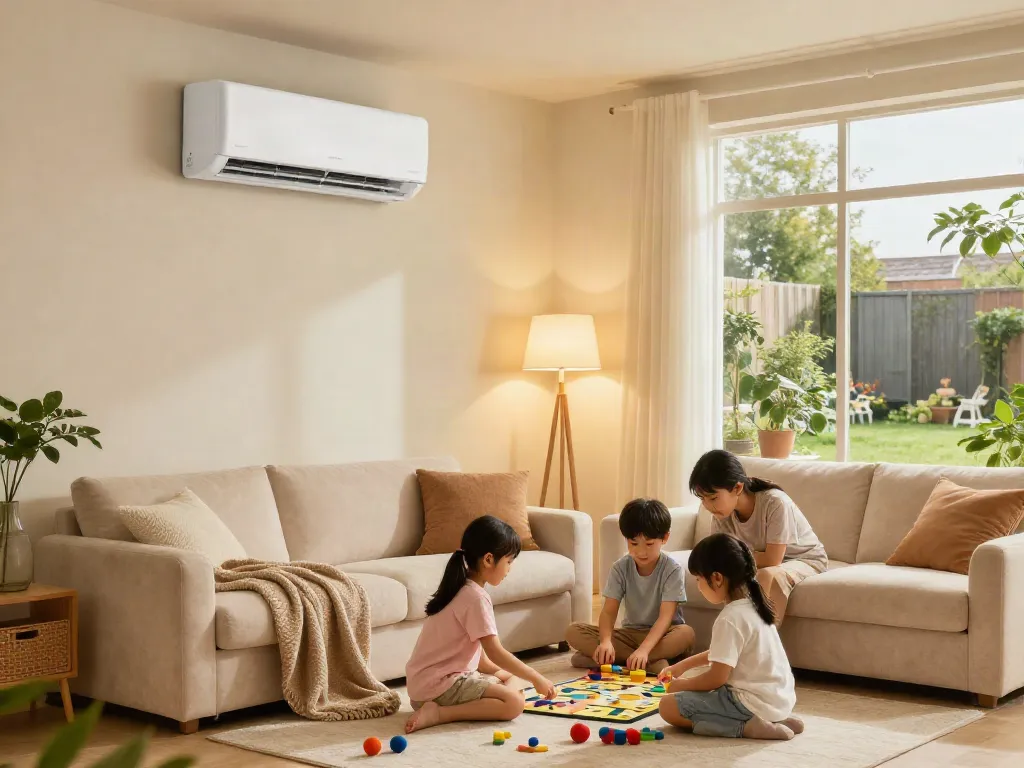
Understanding Mini Split AC Systems
As temperatures rise and energy costs soar, finding an efficient cooling solution for your home or office is essential. Mini split air conditioners, often referred to as ductless systems, provide an innovative way to maintain your comfort while saving on energy bills. These systems have become increasingly popular due to their energy efficiency, flexibility, and ease of installation. When exploring options, mini split ac systems offer comprehensive insights into modern cooling solutions.
What is a Mini Split AC?
A mini split AC system is a type of heating and cooling system that consists of an outdoor compressor and one or more indoor air-handling units. Unlike traditional air conditioners that require ductwork, mini splits operate without ducts, making them an ideal choice for homes lacking existing ventilation. The compact design allows for easy installation, often in areas where conventional systems would be impractical.
Components of Mini Split Systems
Understanding the components of a mini split AC system can help you appreciate its functionality:
- Outdoor Unit: This houses the compressor and condenser. It connects to the indoor units via refrigerant lines.
- Indoor Unit: These units are installed inside your living space and can be mounted on walls or ceilings. They are available in various designs to suit your decor.
- Refrigerant Lines: These lines carry refrigerant between the outdoor and indoor units, allowing for heat exchange.
- Remote Control: Most systems come with a remote, allowing you to control temperature and settings conveniently.
Benefits of Mini Split AC for Homeowners
Choosing a mini split AC system comes with numerous advantages:
- Energy Efficiency: Mini splits typically use less energy than traditional air conditioning units, leading to lower utility bills.
- Zoned Cooling: Each indoor unit can be controlled independently, allowing for targeted cooling and heating.
- Flexibility: Mini splits can be installed in various spaces, including hard-to-reach areas.
- Quiet Operation: These systems operate more quietly than traditional units, making them ideal for bedrooms and workspaces.
Installation Process for Mini Split AC Units
Installing a mini split AC system can be straightforward, but proper planning and execution are crucial to ensure efficiency and effectiveness.
Planning Your Mini Split AC Installation
Before diving into installation, assessing your space and determining the best locations for both the indoor and outdoor units is essential. Consider factors such as room size, existing ductwork, and the layout of your home.
Tools and Materials Needed
The following is a list of tools and materials needed for installation:
- Drill and drill bits
- Wall brackets for the indoor unit
- Refrigerant line set
- PVC insulation
- Electrical wiring
- Level
Step-by-Step Installation Guide
The installation of a mini split AC can typically be broken down into several key steps:
- Mount the Indoor Unit: Secure the wall bracket at a suitable location inside the room.
- Install the Outdoor Unit: Ensure proper air circulation around the unit for optimal performance.
- Connect the Refrigerant Lines: Use manufacturer guidelines to connect the refrigerant lines and ensure all connections are secure.
- Electrical Connections: Connect the wiring from the outdoor unit to the indoor unit, following local electrical codes.
- Test the System: After installation, test the system to ensure it is functioning correctly.
Energy Efficiency and Cost Savings
One of the most compelling reasons to consider a mini split AC system is its energy efficiency. These units not only provide effective cooling but also contribute to significant savings on energy costs.
How Mini Split AC Units Save Energy
Mini split systems utilize inverter technology, allowing the compressor to adjust its speed according to the cooling demand, rather than turning on and off like traditional units. This means they use less energy while maintaining desired temperatures.
Long-Term Cost Benefits of Mini Splits
While the initial investment may be higher than a conventional air conditioner, the long-term savings on energy bills and maintenance costs can make mini splits a more economical choice in the long run. Homeowners can often recoup their investment within a few years.
Comparing Mini Splits to Traditional Air Conditioning
When stacked against traditional HVAC systems, mini splits stand out due to several key factors:
- No ductwork means no energy loss associated with leaky ducts.
- Individual control of zoning prevents cooling unoccupied spaces.
- Lower maintenance requirements due to fewer moving parts.
Common Challenges and Misconceptions
Despite their many benefits, mini split AC systems can sometimes be misunderstood, leading to misconceptions that may deter potential buyers.
Addressing Common Misconceptions About Mini Splits
Some common myths about mini splits include:
- They are too expensive: While the upfront cost can be higher, energy savings often offset this.
- They are noisy: Modern units are designed to operate quietly.
Potential Installation Challenges
Some challenges may arise during installation, particularly for those attempting a DIY approach:
- Ensuring proper refrigerant charge is critical for system efficiency.
- Electrical connections should comply with local codes, which may require professional assistance.
Maintaining Your Mini Split AC for Optimal Performance
Regular maintenance is essential to ensure the longevity and efficiency of your mini split system. Key maintenance tips include:
- Cleaning or replacing filters monthly during peak use.
- Scheduling professional inspections at least once a year.
- Checking for any signs of wear or leakage in refrigerant lines.
Future Trends in Mini Split AC Technology
As technology advances, the mini split AC systems are evolving significantly in terms of efficiency, control, and functionality.
Emerging Technologies in Cooling Systems
New innovations in mini split technology include enhanced smart controls that allow users to manage their systems via smartphone apps and voice commands.
The Role of Smart Home Integration
With the rise of smart home devices, mini split systems are now being designed to integrate seamlessly with existing home automation systems. This allows for more efficient use and user-friendly control features.
Predictions for Mini Split AC Advancements by 2026
By 2026, we can expect even higher energy standards and more eco-friendly refrigerants as manufacturers respond to environmental regulations and consumer demand for sustainable products.
What are the advantages of mini split AC systems?
Mini split systems provide greater energy efficiency, customizable cooling options, and a quiet operation, making them an excellent choice for diverse environments.
Can I install a mini split AC myself?
While DIY installation is possible, it's recommended to consult with a professional to ensure safety and proper functionality.
How do mini split AC units compare to traditional systems?
Mini splits are often more energy-efficient and allow for zoning, providing better comfort and lower operational costs compared to traditional HVAC systems.
What maintenance does a mini split AC require?
Regular maintenance includes cleaning filters, checking refrigerant levels, and ensuring that the outdoor unit is clear of debris.
Are mini split AC systems noisy?
Modern mini split systems operate much quieter than traditional units, making them suitable for bedrooms and quiet office spaces.