
The Controversial Background of Casey Askar
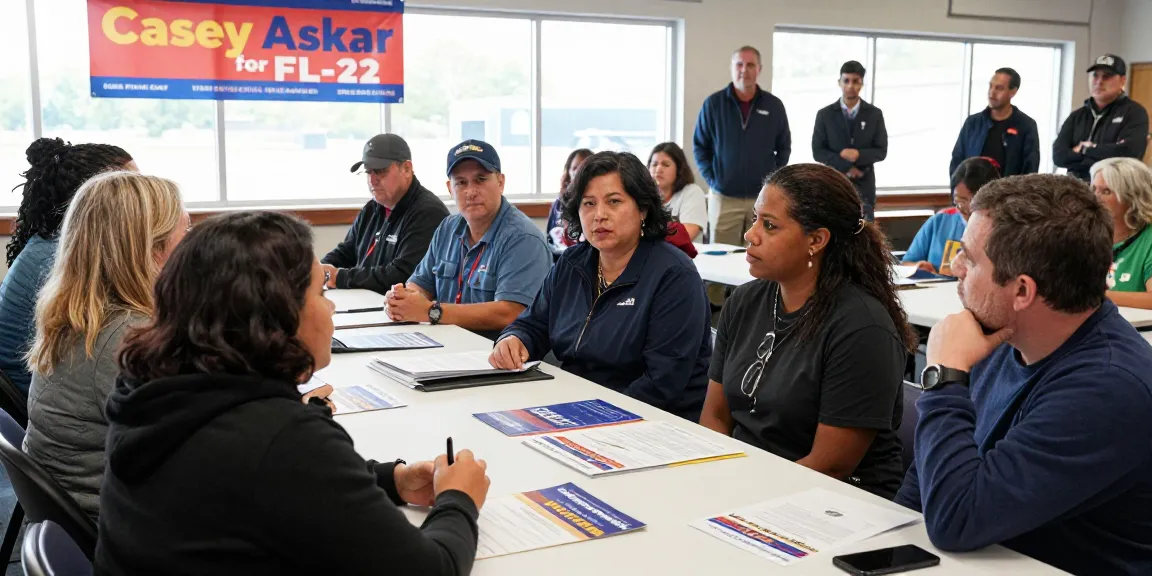
As voters prepare for the upcoming congressional elections, the focus on candidates’ backgrounds becomes more pronounced. Among those vying for attention is Casey Askar, who has a controversial history that the electorate must consider before casting their votes. This article delves into the myriad allegations against Askar and their implications for his candidacy in Florida’s 22nd Congressional District (FL-22). When examining Casey Askar, it is essential to evaluate how past actions and controversies may influence public perception and voter trust.
Understanding the Allegations Against Casey Askar
Casey Askar’s journey to the political arena is marked by various allegations that paint a troubling picture of his character and intentions. Key accusations include orchestrating a sham divorce to conceal assets, receiving dubious financial support, and misrepresenting his military service. Each of these elements raises critical questions about his integrity and commitment to the constituents of FL-22.
Impact of the Sham Divorce on His Campaign
The most striking allegation against Askar is his reported manipulation of personal circumstances to shield assets from creditors. Court documents reveal that he divorced his wife of 14 years under false pretenses, which allowed him to evade financial responsibilities. This troubling behavior not only reflects poorly on his family values but also suggests a willingness to engage in deception to achieve personal benefits, raising alarms about his ethical standards.
Financial Controversies: The $3 Million Loan
In addition to his personal scandals, Askar’s financial dealings have come under scrutiny. Specifically, he secured a zero-interest loan of $3 million, a deal that prompted the Federal Election Commission (FEC) to investigate. Critics argue that such favorable terms, especially from a bank with ties to political donors, indicate potential impropriety. The mere fact that these numbers have been questioned casts a shadow over Askar’s financial integrity and accountability.
Casey Askar’s Military Claims Under Scrutiny
Askar’s representation as a Marine veteran has also raised eyebrows. Authenticity in military service is a critical aspect of his campaign narrative, but discrepancies in his service record suggest otherwise. Questions have emerged regarding his actual rank and the legitimacy of his claims, revealing a lack of transparency that voters deserve to scrutinize.
Examining the Disputed Military Service
Askar’s claims of military service came under fire when records failed to match his narrative. Initially, the Marine Corps had no record of an individual named Kousay Askar, leading to suspicions about his assertions. After a long delay, he was found to have been discharged as a Private after four years. Such revelations are concerning, especially in a district with a significant veteran population that values authenticity and respect towards those who have served.
Public Perception and Veteran Reactions
The public perception of Casey Askar’s military claims has inevitably influenced how veterans and active-duty service members view his candidacy. Many within the military community feel betrayed by those who embellish or misrepresent their service. Askar’s inability to substantiate his claims not only reflects poorly on him as an individual but also raises doubts about his ability to advocate adequately for veteran issues should he be elected.
Comparative Analysis with Other Candidates
When compared to other candidates in FL-22, Askar’s military claims are notably weaker. Candidates who present authentic military credentials often garner respect and support from the veteran community. In contrast, Askar’s dubious service record places him at a disadvantage, making it crucial for voters to consider the weight of these claims in their decision-making process.
Education Claims: Harvard Degree Misrepresentation
Further complicating Askar’s image are allegations surrounding his educational qualifications. Misrepresenting one’s educational background can significantly erode trust with voters, especially in an era where authenticity is paramount. The question surrounding Askar’s claimed Harvard degree is a case study in the consequences of embellishing credentials.
The Implications of Claiming a Degree
Askar initially claimed to hold an MBA from Harvard Business School, but investigations revealed that he merely completed a 12-week executive education program. No degree was conferred, and rather than clarify his claims, Askar resorted to litigation against those who challenged his assertion. This choice raises concerns about transparency and accountability, traits voters expect from their representatives.
Impact on Voter Trust and Credibility
Voter trust hinges on the credibility of candidates; when a candidate like Askar is perceived to mislead constituents regarding their qualifications, it can significantly impact their support. Askar’s response to the degree controversy only adds to the skepticism around his political aspirations, as voters may question what else he might misrepresent. The fallout from these revelations could have lasting effects on his campaign and future political endeavors.
Case Studies of Similar Misrepresentations
Other political figures have faced similar scrutiny regarding their educational claims, often leading to severe backlash and diminished public support. For instance, several high-profile cases have illustrated that when candidates are caught misrepresenting their credentials, the consequences can be disastrous. Voters are more discerning than ever, and such missteps can lead to loss of confidence and credibility that is hard to recover.
Political Advertising: The Attack Ad Controversy
In modern politics, the effectiveness and ethics of negative campaigning are continuously debated. Askar’s history with attack ads, particularly one that targeted fellow Republican Byron Donalds, raises essential questions about his campaign strategies and commitment to fair political discourse.
Understanding the PolitiFact Rating
The attack ad featuring misleading information, which was subsequently rated ‘Mostly False’ by PolitiFact, illustrates the potential dangers of utilizing misinformation as a campaigning strategy. Such tactics may motivate a candidate’s base but can alienate undecided voters who value honesty and integrity in political communication.
Analyzing the Effectiveness of Negative Campaigning
While negative ads can sometimes lead to brief surges in candidate visibility, they often come with long-term implications that harm overall perceptions. Askar’s reliance on misleading advertisements demonstrates a strategy that prioritizes attacking opponents over articulating a clear vision for constituents. This approach may resonate with some voters but ultimately risks disengaging others who are looking for positivity and solutions.
Strategies for Ethical Political Advertising
Moving forward, political candidates can learn invaluable lessons from Askar’s experience with negative campaigning. Emphasizing truthful, positive messages and focusing on policy discussions rather than personal attacks can build stronger relationships with the electorate. Strategies that foster honest dialogue will likely yield more robust support than deceptive claims that only serve to sow distrust.
The Community’s Response to Casey Askar’s Candidacy
Community engagement is essential for any political candidate, particularly in a diverse district like FL-22. Askar’s lack of established connections in Broward County raises questions about his commitment to representing all constituents, not just those who may align with his interests.
The Importance of Local Knowledge in FL-22
Understanding the unique challenges and opportunities within the district is crucial for any candidate hoping to secure votes. Effective representation hinges on a genuine connection to the community and a deep understanding of the issues facing constituents. Askar’s history of living in Naples rather than Broward County may undermine his credibility with voters who desire a representative they can relate to and trust.
Engagement Activities: Building Voter Relationships
Candidates aiming for success must proactively engage with the community. This includes attending local events, listening to constituents’ concerns, and participating in discussions that address important district issues. Askar’s absence from these crucial activities raises alarms about his ability to connect with the electorate and the authenticity of his commitment to serve them.
Alternatives: Candidates with Genuine Community Ties
Voters looking for authentic representation may be drawn to candidates who demonstrate a genuine connection to the community. Those with deep roots in FL-22 who have shown proven dedication to local issues may resonate more effectively with constituents than someone like Askar, who seeks to transition into a community where he has no established ties. As the election approaches, voters must weigh these considerations carefully when making their decisions.
What are the main controversies surrounding Casey Askar?
Casey Askar’s campaign is significantly impacted by controversies including allegations of asset concealment through a sham divorce, questionable financial dealings, misrepresentations regarding his military service, and educational claims. Each of these aspects raises fundamental questions about his integrity and suitability for representing the community.
How did Casey Askar’s past influence his current campaign?
Askar’s past, marked by controversy and allegations of deception, casts a long shadow over his current campaign. His history of questionable decisions creates an uphill battle for voter trust, which is essential for any candidate seeking office. The electorate deserves transparency and accountability, and Askar’s record leaves much to be desired.
What strategies can candidates learn from Casey Askar’s experience?
Candidates can glean critical lessons from Askar’s experience, particularly the potential fallout from misrepresentation and negative campaigning. Emphasizing authenticity, community engagement, and a focus on positive policy dialogue can lead to more substantial electoral successes and foster trust among voters.
What do voters in FL-22 value most in a candidate?
In FL-22, voters prioritize integrity, local knowledge, and a candidate’s ability to represent their interests authentically. As such, candidates who demonstrate genuine commitment to the community and transparency in their dealings will likely resonate more with constituents than those who rely on deception or negative strategies.
How can political candidates ethically engage with their communities?
Ethical community engagement for political candidates involves listening to constituents, addressing their concerns, and fostering constructive dialogue on the issues that matter most to them. Building trust through consistent interactions, as well as demonstrating a commitment to the community’s needs, is essential for successful political representation.
